
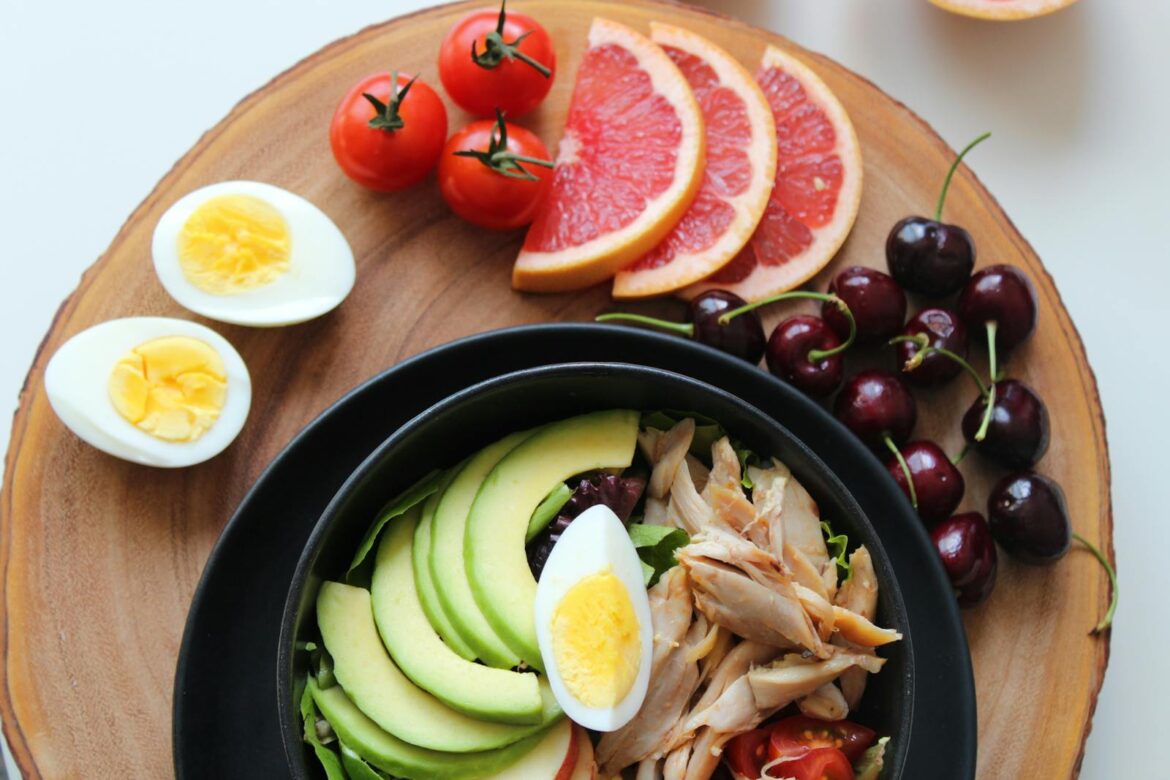
- Eat whole foods
- Avoid Ultraprocessed foods and learn to read labels
- Buy organic produce and avoid pesticides
- Eat seasonally
- How to eat dairy
- How to eat meat, poultry, eggs, and fish
- What fats to eat
- The best bread to eat
- Cut the sugar and other natural sweet options to consume
- What salt to eat
- Avoid heavy metals and other toxins
- Listen to your body
- Conclusion:
Many of the following points are grounded in common sense and science and have helped countless people, including me.
If you could only choose two points from this list, the first two alone would improve your health. To make even greater progress, follow all the other steps as well.
Affiliate Disclaimer:
Some of the links on this website are affiliate links, which means I may earn a commission if you click through and make a purchase. This comes at no additional cost to you. I only recommend products and services that I believe will add value to my readers. Thank you for your support!
Eat whole foods
The point here is very simple: eat food as it is found in nature and as God intended it to be. This applies to everything: fruits, vegetables, seeds, nuts, meat, poultry, milk, and more. I understand that some foods require processing, but still, choose real butter, real cheese, real wine, and so on.
The quality of the food you buy matters; you can taste and feel the difference. Whole Foods will nourish you in a way processed food never can.
This may seem obvious, especially if you come from a country like Mexico, as I do. Our homemade food consists entirely of whole foods. We season our dishes with garlic, onion, and fresh herbs. Powdered seasonings are not used at all.
When I moved to the USA, I was surprised to discover that for many people, what they considered “normal” or “homemade” food often relied heavily on processed, frozen, or canned ingredients.
I understand that if you live in a 4-season climate, you need to preserve food for the winter, which partly explains the canning culture. However, finding fresh food in a household in the USA, as I was used to in Mexico, is uncommon, and we need to change that.
Avoid Ultraprocessed foods and learn to read labels
Now, eating good-quality whole foods alone won’t help you if you don’t stop eating ultra-processed foods. But what is wrong with ultraprocessed foods? They may contain high amounts of sugars, sodium, seed oils, colorants, preservatives, or other ingredients that may be petroleum-derived.
These ingredients can cause chronic inflammation, cancer, neurotoxicity, gut lining and microbiota problems, allergies, sensitivities, overweight, and many other issues that keep us sick. Consuming these foods regularly can leave you chronically ill and poorly nourished.
Because all of this is important, read the labels and check the list of ingredients. Know what you are putting into your body. If you don’t understand what is in it, don’t buy it. If it contains many preservatives, colorants, anticaking agents, etc., it is not the best choice to buy.
Apps like Yuka can help you identify ingredients and assess how harmful they may be. As always, use tools like this with a grain of salt and according to your own criteria.
I know there are times when you need something processed, like butter, a protein bar, or cereal. Minimally processed food is not bad. Here is the trick: choose products with high-quality ingredients whose names you recognize and know are not harmful to you. If you can replicate it at home, then it’s okay to buy it.
For example, you need chips. My favorites are “Zack’s Mighty Chips” because they are made with nixtamalized organic corn from regenerative farming and avocado oil. Other good options are “Siete” or “Masa” chips, also made with organic nixtamalized corn, salt, and avocado oil in the case of Siete, and tallow in the case of Masa chips. Simple ingredients, minimally processed.
In the case of Cereal, Lovebird contains a blend of real food, organic ingredients, and no colorants or preservatives. Among its ingredients, you can find buckwheat flour, cassava flour, coconut sugar, and oil, as well as cocoa powder or sea salt. These are items you can buy separately and use in a recipe. Seven Sundays cereal is similar.
Buy organic produce and avoid pesticides
Organic food is produce that is grown without the use of synthetic pesticides, fertilizers, or artificial additives. It also indicates that genetically modified organisms (GMOs) are not used.
Buying organic supports farmers who work hard to grow produce properly, especially those using regenerative farming. This practice helps maintain soil minerals, resulting in more nutritious produce.
It’s always beneficial to get to know your local farmers and learn how they grow your food. Additionally, by choosing their products, you avoid exposure to toxic and harmful pesticides.
The consumption of pesticides such as glyphosate in the food we eat regularly is linked to cancer, liver and kidney disease, endocrine disruption—including fertility problems and birth defects—microbiome and gut disorders, and it is also neurotoxic.
If you are on a budget, EWG publishes a yearly list called the “Dirty Dozen“, which identifies the 12 fruits and vegetables with the highest pesticide levels. These should definitely be purchased organic.
They also publish a list called the “Clean 15.” This list includes fruits and vegetables that contain the lowest levels of pesticides, making them safe to buy even if they are not organic. Keep in mind, if produce is not organic, it may be genetically modified (GMO), so ensure that what you are purchasing is labeled as “No GMO.”
The problem with GMO products, or bioengineered produce as they are now called, is that our bodies are not designed to digest them. They are modified to resist pests and withstand adverse conditions. Our bodies may not recognize them as food, and if they are more resistant to other species, there is a chance they may also be resistant to digestion. Many processed foods carry the bioengineered label.
For example, let’s say a crop has been modified to have higher levels of lectins to resist insects. Lectins are known as antinutrients that can cause chronic inflammation and may also trigger autoimmune conditions. If a crop can “poison” insects, it can “poison” you, too.
Also, remember, even if a produce is organic, make sure it does not have a coating. Especially if it is one called Apeel associated with Bill Gates. This coating is made of purified monoglycerides and diglycerides, which may contain trans fats that are known to be harmful. The extraction process involves exposure to industrial petrochemical solvents and heavy metals such as lead, cadmium, arsenic, palladium, and mercury.
Eat seasonally
When buying produce, eating seasonally is important for several reasons. If you buy organic, you most likely won’t find out-of-season produce. This helps with the budget since, in theory, seasonal produce is cheaper, but it also has other advantages.
By rotating the foods we eat, we ensure we don’t consume excessive amounts of antinutrients that plants naturally contain, such as lectins or oxalates. A produce that ripens naturally has a lower amount of lectins, causing fewer inflammatory responses.
And not eating high-oxalate foods all the time reduces your risk of kidney stones and carpal tunnel syndrome. Rotating foods is also beneficial for gut issues like leaky gut. Rotating foods is also beneficial for gut issues like leaky gut.
Eating seasonally also provides a better variety of nutrients and prevents us from eating the same foods every day.
How to eat dairy
Dairy nowadays causes a lot of inflammation and many health issues. However, humanity has been consuming it for thousands of years. How is this possible?
To begin, what a cow eats matters. Studies show that milk from cows fed pasture-based diets has higher fat and protein content with improved nutritional value. Cows are meant to eat grass.
Corn and soy cause a lot of inflammatory and health issues in cattle. When cows eat these instead of grass, they can pass on that inflammation to you. Additionally, it causes them acidosis and pain. As the saying goes, you are what your food eats. So be sure to buy pasture-raised, grass-fed milk.
On a different note, you don’t want those cows to be treated with unnecessary antibiotics or hormones, as these could also be passed on to you. The best practice, if possible, is to get to know your local farmers.
Then we have the casein issue. Many people who believe they are lactose intolerant actually are not; what they cannot digest properly is A1 casein. Casein is the protein in milk, and humans have consumed A2 casein for millennia until some Holstein cows mutated to produce A1. These cows produce a lot of dairy, and in our continent, it has become the staple. Our bodies have not yet evolved to process this type of casein, which is why consuming A2 milk helps many people.
A1 casein consumption alters microbial composition, reduces intestinal motility, and increases colonic fermentation, leading to elevated gas production. A1 casein releases β-casomorphin-7 upon digestion, which can also compromise intestinal barrier integrity, potentially exacerbating symptoms of lactose intolerance, irritable bowel syndrome (IBS), or other allergy-related sensitivities.
On the other hand, A2 casein consumption is associated with improved gastrointestinal outcomes, including an increased abundance of beneficial bacteria such as Bifidobacterium spp. and reduced inflammatory markers. Jersey and Guernsey cows, as well as goats, produce A2 casein.
If you are looking for a trusted A2 Milk brand, Alexandre is my go-to brand. They have grass-fed, organic A2 milk and yogurt products. I also love Bellwether A2 yogurts.
As I mentioned, humans have been drinking milk for thousands of years, and this milk was raw. I know that for many, drinking raw milk is inconceivable, and for others, it is controversial. For some, it is the go-to milk because they love it.
Raw milk offers many benefits because it is rich in nutrients, enzymes, and other beneficial compounds such as minerals and vitamins. If you are a mom, you may already know the benefits of breast milk. For many, breast milk is liquid gold. Cow milk is not different.
Unfortunately, pasteurization removes many of these beneficial components, making it no longer a living, nutritious product. Many people who are lactose intolerant can tolerate raw milk due to its high content of digestive enzymes.
Homogenization is not necessarily beneficial. Homogenization mainly alters the structure of milk’s fat globules. It does not add new proteins or lactose; however, it can change the physical properties of these molecules. Its effects may vary among individuals, particularly those with sensitivities or allergies to milk proteins.
If you plan to buy raw milk, you will likely rely on a local dairy farm. To address concerns about the safety of raw milk, review the regulations in your state and visit local farmers to learn about their practices and how they ensure the milk is safe.
If you want trusted A2 Raw cheeses, the brand Origin Creamery uses regenerative farming.
In conclusion, consuming real dairy can help prevent many health issues. Ideally, if possible, choose raw A2 grass-fed milk that is free from unnecessary antibiotics and hormones.
How to eat meat, poultry, eggs, and fish
Regarding meat, many of the same precautions that I mentioned above for milk should be followed. Here, we will focus on meat raised and harvested in the USA, as well as grass-fed and grass-finished options. Essentially, for the same reasons as with milk, you are what your food eats.
Chickens are omnivorous and eat a variety of foods, including insects, vegetables, and fruits. Grain-fed chicken meat is lower in omega-3 fatty acids, conjugated linoleic acid, magnesium, calcium, and potassium. This is why a lot of people choose to avoid soy and corn fed to chickens.
Soy is mostly GMO and has an estrogenic effect (phytoestrogens) and is high in phytic acid, which blocks the absorption of vitamins and minerals in livestock. Corn can also be GMO and contributes to an imbalance of omega-3 to omega-6 fats in eggs.
Not to mention, if the feed is not organic, it may contain pesticides. Avoiding soy and corn can also help reduce allergens. If the feed is vegetarian, it should be organic.
Labels like “free range” or “free cage don’t mean much because they only indicate that the door of the cage is left open, regardless of whether the chicken ever leaves the cage. We need to look for pasture-raised chickens that are free to eat outside, since it is the most humane treatment for them and provides the best diet they can have. It’s worth looking for certifications like “Certified humane” or “Animal welfare certified.”
When eating pork, it is also good to choose pastured pork, which is more sustainable and healthier for the animal. If possible, opt for organic-fed pork with no added hormones or unnecessary antibiotics.
One thing to consider about pork is that an RMNa vaccine is available. By now, we all know about the covid vaccine mess, and you don’t want that in your food either. Maybe the best way to avoid ingesting this kind of beef is to ask your local farmers or reputable brands like Good Ranchers whether they use that vaccine in their pork.
If you want to learn more about mRNA vaccines in our food, the Epoch Times published a detailed report in 2023.
When we want to eat fish, nutritionally speaking, oily fish containing omega-3 fatty acids (EPA and DHA) are the healthiest. This includes salmon, sardines, mackerel, herring, and anchovies. Additionally, size matters because larger fish, such as tuna and swordfish, have had more time to accumulate heavy metals.
Salmon, for example, is naturally low in contaminants and high in nutrients like vitamins and minerals. Atlantic mackerel and anchovies are low-mercury fish. Fish high in mercury include king mackerel, marlin, orange roughy, shark, swordfish, tilefish from the Gulf of Mexico, and bigeye tuna.
If you are looking to eat tuna, thankfully, some brands test their product to make sure it is low in mercury. For example, “Safe Catch” sells canned tuna, sardines, and salmon.
What fats to eat
The main thing to remember is avoiding seed oils like the plague. This includes sunflower, canola, and cottonseed oils, as well as corn oil, among others. These oils are highly processed and refined. They are also inflammatory due to their high content of omega-6 fatty acids and low content of omega-3 fatty acids.
Another important one to avoid is margarine. Besides the imbalance of omega-3 and omega-6fatty acids, it may also contain trans and processed fats. It has little to no nutritional value.
As a result, the chronic use of these types of fats leads to increased cholesterol and triglyceride levels, metabolic syndrome, heart disease, and other health problems.
The best fats to eat are animal fats, such as real butter, lard, and tallow. In the plant world, unrefined avocado oil, coconut oil, and extra virgin olive oil are excellent choices. Whenever possible, purchase them organic, cold-pressed, and in glass containers.
Personally, I like to use avocado oil and butter for regular cooking. And butter or coconut oil for baking. You can’t use butter for frying because it will burn; ghee is better in this case.
A little bit of experience from my side. I used to work in a hospital in Mexico City, and meals were provided. My cholesterol and triglycerides were high, but I was young, exercised regularly, and ate well. One day, I went to the kitchen and asked the nutritionist what oil they used for cooking, and she told me: corn oil and margarine.
I was shocked! I stopped eating there and started cooking for myself, using butter and coconut oil. A month later, my lab results were normal. This shows how diet can affect your health and how quickly you can see results.
The best bread to eat
The best bread you can eat is, without a doubt, freshly milled whole grain organic sourdough bread. Why? Because this is how bread has been made for hundreds of thousands of years.
Unfortunately, this means you either need to find a bakery that makes bread this way or get more involved in the process yourself. This includes buying the whole grains, a mill, and learning how to bake bread, especially sourdough.
Bear with me—why is this the best option compared to store-bought bread, even artisanal varieties?
Modern milling removes the fiber and germ from the starch. What we see in stores is mostly starch stripped of the nutrients found in the fiber and germ, which is then supplemented with four synthetic vitamins. Starch is shelf-stable, while real flour spoils quickly after milling. Store-bought bread lasts for weeks, but real bread spoils if not refrigerated. That alone should raise a red flag.
Commercial bread and flour are also processed with bleaching agents such as chlorine dioxide or benzoyl peroxide, and preservatives like calcium propionate or potassium bromate, which are harmful to your health.
Real flour and bread contain many nutrients, including vitamins, minerals, and fiber, making them a superfood. Nowadays, bread is often considered an empty, unhealthy food. However, this was not the case for thousands of years.
Now, why is sourdough bread better than bread made with yeast? Well, it is how dough was fermented for thousands of years, too. The fermentation predigests complex carbohydrates and gluten, making it easier to digest. It has a lower glycemic index than regular store-bought bread. The process make it minerals more available for us to absorb, and it is also a great postbiotic.
The woman who introduced me to this information is Sue Becker. She was interviewed on a podcast where she shared countless success stories of people who improved their health. The comments on that podcast blew my mind.
You see, I have been gluten-free for around eight years now. Wheat products caused me oral kankers, yeast infections, bloating, respiratory infections, and leaky gut. Going gluten-free reversed all of that within a couple of months, although I had to work hard for months to heal my leaky gut.
After seeing that interview, I decided to give it a try. If it didn’t work for me, it might at least be very beneficial for my family. I bought my mill (Nutrimill), organic spelt berries (it has less gluten than wheat, I was playing safe), and started with dry active yeast. After eating this bread, nothing happened—no more symptoms—and my family loved it.

Fast forward to today, I now bake sourdough bread with not just spelt but also einkorn! For years, I thought I had gluten sensitivity. Now I think I was on the bleachers or the preservatives that kept me sick. Wheat is still hard for me to digest, so I will stick with spelt and einkorn.
Important note: If you have celiac disease, this will not work for you. If you have gluten sensitivity, this may work for you. Always check with your doctor first.
Cut the sugar and other natural sweet options to consume
Sugar itself is inflammatory to our bodies, contributing to health issues such as obesity, diabetes, cancer, and heart disease. One tablespoon contains 49 calories and has a glycemic index of 65, and we will use it as a reference.
Sugar is also addictive because it triggers a dopamine response in our brains. It causes a rapid rise in blood sugar followed by a quick drop, leading to cravings and the need to eat more sooner.
Whenever I make a dessert recipe, I reduce the sugar by at least half. Sometimes, I simply use brown, unrefined sugar in the smallest amounts possible.
If you see “high fructose corn syrup” on a label, avoid it like the plague. It is a cheap, processed sugar derived from corn syrup, commonly found in processed foods. It contains 55% fructose, which is harder to metabolize than glucose, has 53 calories per serving, and a glycemic index of 65.
It has the same issues as sugar, increasing fat production by the liver, including triglycerides and cholesterol. It is associated with obesity, heart disease, high blood pressure, and increased inflammation.
Natural options
Raw honey is similar to milk in that it is full of nutrients, enzymes, and health benefits. I actually use it for baking instead of sugar. It has a lower glycemic index than sugar (50 vs. 65). It is sweeter, so you need less of it than sugar in your recipes.
In any case, all types of sugar should be used in moderation. It’s always nice to look for local raw honey options at farmers’ markets or at your local health food store, but if not, Azure Standard has some good options.
Molasses is the byproduct of sugar with added benefits. It is a byproduct of sugar production with added benefits. It contains a good amount of minerals such as calcium, magnesium, potassium, iron, copper, manganese, and selenium, along with a small amount of complex B vitamins. Its glycemic index is lower compared to sugar but higher than honey (55 vs. 65).
A good thing about molasses is that it is affordable. When buying it, look for organic options.
Maple Syrup is also considered healthier since it has a lower glycemic index than sugar (54 vs. 65) . It contains minerals such as magnesium, manganese, potassium, calcium, copper, and some vitamins. As with molasses, look for organic options too.
Agave syrup contains more vitamins and minerals than regular sugar and has a lower glycemic index compared to sugar and honey (20 vs 65). One tablespoon provides 60 calories. However, a major concern is its high fructose content.
Coconut sugar has a glycemic index of 54 and is very similar in calories and carbohydrates to cane sugar, so I don’t see a significant benefit in that sense to using it; it’s just a matter of preference. It does provide some potassium, calcium, vitamins, and inulin, a prebiotic. It is slightly healthier than sugar but also more expensive. Overall, I don’t see a major benefit.
In any case, moderate use of them is best because, at the end of the day, they are all still sugar.
Lower-calorie natural sweet options
Monk fruit is a good option. It is about 200 times sweeter than sugar and has no calories or carbs, so it doesn’t increase blood sugar levels. It is safe for diabetics and appears to have anti-inflammatory properties. If you buy it, make sure it is not combined with other sweeteners like erythritol. Here is an organic option without it.
Inulin is good if you want a low-calorie option. Inulin is a prebiotic that occurs naturally in various plants, including wheat, onions, and garlic. It is about 15% sweeter than sugar and contains no calories. We can’t digest it because it is a fiber that is broken down by good bacteria when it arrives at the colon. Because it can improve gut health, it helps with obesity and diabetes, and it has anti-inflammatory properties, among other benefits. Inulin can also be very affordable.
Stevia is a natural sweetener with no nutritional value and only 16 calories per tablespoon. Some people dislike its bitter taste. Another drawback is that it may affect some of your beneficial gut bacteria. There is also controversy regarding endocrine disruption. Therefore, I avoid stevia whenever possible.
Although these options have fewer calories, the sweet flavor will always trigger insulin release from your pancreas. Because of this, whether or not there are calories, always eat sweet foods after consuming protein and fiber to avoid sugar spikes.
What about sugar alcohols?
Sugar alcohols are carbohydrates with a chemical structure similar to sugar. It includes substances such as xylitol, erythritol, sorbitol, maltitol, and mannitol, among others. They contain few calories and are less sweet than sugar.
They may have added benefits as they don’t react with dental plaque. This is why xylitol is used in many toothpastes, and they have a lower glycemic index.
However, they also have some health drawbacks. For example, potentially increases the risk of blood clots, which may be a concern for people with a high risk of stroke.
Additionally, sugar alcohols can cause digestive issues like bloating, gas, and diarrhea. This is because they are not absorbed and fermented in the bowel.
Avoid artificial sweeteners
Some examples of artificial sweeteners include aspartame, saccharin, and sucralose. These synthetic substances, although low in calories, are hundreds of times sweeter than sugar. That can trigger a stronger dopamine response from the brain.
The sweet taste prompts the pancreas to release insulin, leading to reactive hypoglycemia. Over time, this may result in insulin resistance, which can lead to diabetes and metabolic syndrome. These conditions are also linked to obesity, hypertension, and heart disease.
Aspartame should definitely be avoided in patients with phenylketonuria. Talking about gut health, artificial sweeteners cause leaky gut. It can significantly reduce beneficial gut bacteria and increase harmful bacteria, too.
What salt to eat
The best salt to consume is unrefined salt without bleaching, preservatives, or anticaking agents (such as aluminum). Processed salt is usually stripped of minerals that are beneficial for our health and body.
Recommended options based on mineral content include Himalayan sea salt, Celtic sea salt, Redmond Real Salt, and Baja Gold salt. All of these options have from 60 to 90 plus minerals.
It is also important to ensure the salt is properly sourced to avoid impurities or heavy metals. According to this review, the best clean options are Baja Gold salt, Maldon sea salt flakes, Diamond Crystal Kosher salt, and Jacobsen Salt.
(references: Independent third-party heavy metal testing panels EPA and FDA heavy metal guidance documentation California Proposition 65 reference standards Public Certificates of Analysis (COAs) from reviewed brands Food safety and trace mineral research literature)
Dr. Saladino also evaluated several brands of salt. According to him, Celtic contained the highest in heavy metals, while Diamond Crystal Kosher salt was the purest.
Of all of these options, based on this information, the salt with the highest mineral content and the fewest impurities is Baja Gold salt.
Avoid heavy metals and other toxins
We just discussed salt. In general, for other products, this may require a bit more research and awareness. Don’t panic; do your best, and if possible, avoid it. We all do the best we can.
As we mentioned with fish, buy low-mercury types or certified mercury-free tuna, for example.
Regarding rice and arsenic, rice from the southeastern USA unfortunately tends to have higher arsenic levels than rice from California or imported varieties. The type of rice also matters; brown rice contains more arsenic, while jasmine rice from Thailand or basmati rice from India tends to have lower arsenic levels. Another way to reduce arsenic is to soak and rinse the rice several times before cooking.
According to Consumer Reports, some species are high in heavy metals, so follow their recommendations, such as choosing those with lower concentrations. They found that black pepper, coriander, curry powder, garlic powder, saffron, sesame seeds, and white pepper are among the safer options.
Another option is to buy fresh spices and dry them yourself, or even better, grow them yourself when possible, especially if you consume a lot of basil, oregano, and thyme, which have been found to contain higher levels of heavy metals.
The same goes for chocolate. Consumer reports found high levels of lead and cadmium in several brands of dark chocolate, including some organic brands. The good news is that they also highlight the safer brands to buy.
Regarding coffee, besides being ethically sourced and organic to avoid pesticides, the most important thing is to buy third-party certified mold-free coffee. Micotoxins in coffee can cause various issues, such as fatigue, brain fog, chronic inflammation, and rashes, among many other symptoms. Brands like Taylor Dukes Wellness and Seven Weeks Coffee check all the boxes.
Listen to your body
Last but not least, if you suspect that certain foods are affecting you, listen to your body. Keep a diary and track how your body reacts to specific foods.
For example, I never experienced reflux when I was younger. Lately, I realized that dairy products cause me reflux. This seems odd to me, but I think it was my body telling me: don’t give me this!
Besides the reflux, I noticed that 6 months after giving birth, I wasn’t losing my baby weight despite breastfeeding. I decided to cut dairy altogether (except butter, because that is just fat and not lactose or casein). Within 2 weeks, I lose my baby weight. It was inflammation caused by the dairy!
When I say listen to your body, notice if you experience certain symptoms after eating something. These could be gastrointestinal symptoms like bloating, gas, pain, reflux, gastritis, colitis, etc., or non-gastrointestinal symptoms such as rashes, headaches, or joint pain. Here, you need to be your own detective.
If it is clear that a food is causing you issues, avoid it for a while and see if your symptoms improve. Then, work on improving your health and your gut. After some months of focusing on your health, try reintroducing the food to see how your body reacts.
Always seek help from a specialist, such as a nutritionist or a doctor, for better guidance.
Conclusion:
Here are several different ways to change your relationship with food and improve your health. No restrictive diet is required—just simple adjustments that can help you enhance your well-being and even lose weight effortlessly.
As always, this information is for entertainment and educational purposes. Always consult with a specialist.